The morning meeting
Your team spends the first hour reconciling spreadsheets before anyone can ask a real question. Maintenance says three trucks are down. Dispatch says two. Nobody agrees because nobody is looking at the same system.
OPERATIONAL DATA PLATFORM
Your mine runs on a dozen different systems. Foundpoint connects them all — maintenance, fleet, production, ERP — into a single operational picture your team can act on. No rip-and-replace. No new vendor lock-in. Just answers.
One operational picture.
Built around your mine.

THE PROBLEM
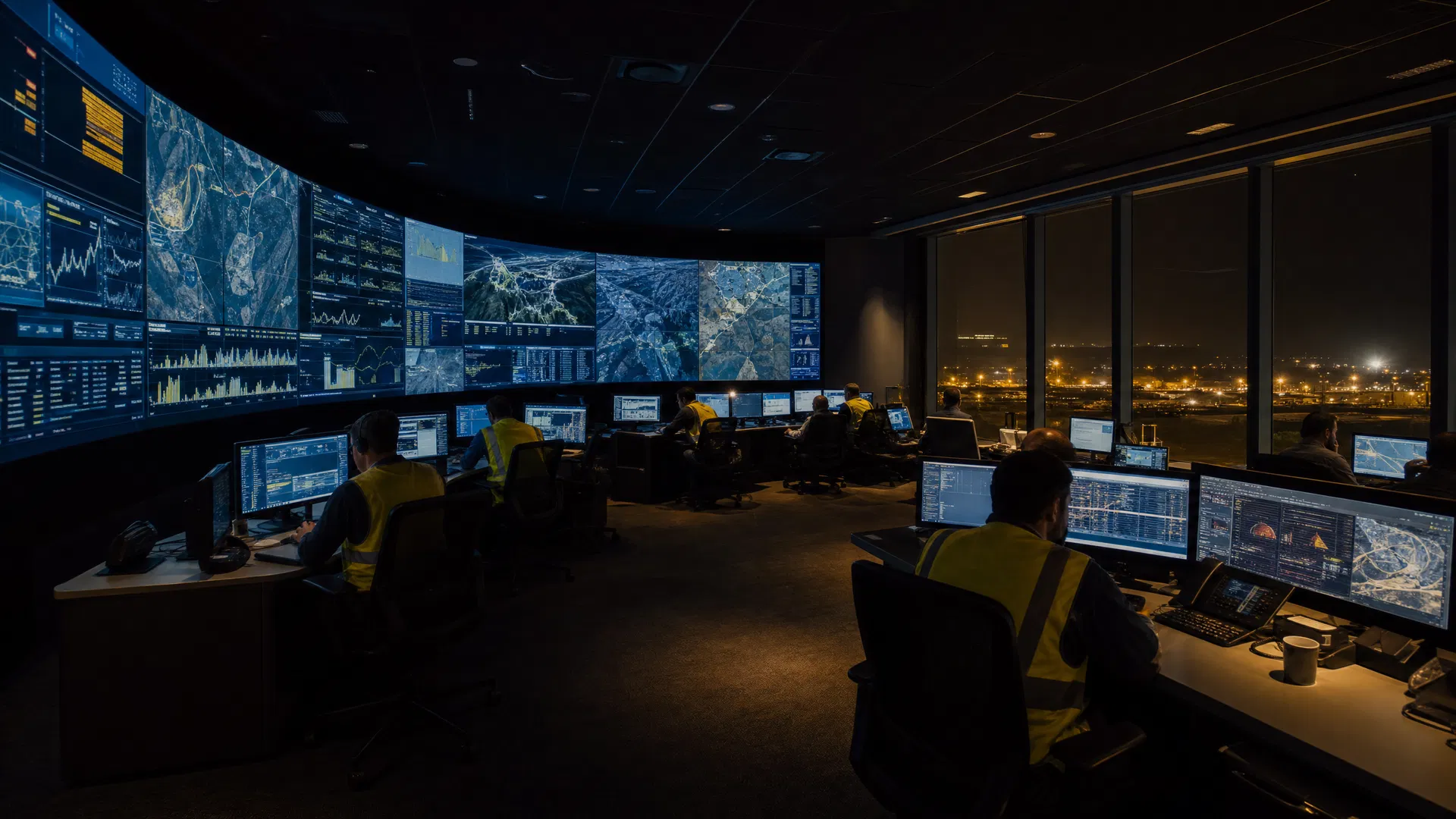
Your team spends the first hour reconciling spreadsheets before anyone can ask a real question. Maintenance says three trucks are down. Dispatch says two. Nobody agrees because nobody is looking at the same system.
A vibration warning appeared on a primary asset four days ago. A work order was raised yesterday. The data was there the whole time — it just lived in a system that didn't talk to the one your maintenance team uses.
Your GM has dashboards. Your GM does not trust the dashboards. Every month, someone rebuilds them manually in PowerPoint the night before the review. That's not a reporting problem. That's a data problem.
“Which trucks in Pit 3 are within 200 hours of scheduled maintenance and showing vibration anomalies?” Four logins. Four queries. One engineer’s afternoon. That question should take ten seconds.
THE PLATFORM
Foundpoint reads from the systems your operation already runs on, maps their data into a single unified view, and surfaces it two ways — a working application your team uses directly, and an API your existing tools can consume.
LAYER 01
Foundpoint ships with purpose-built connectors for the systems mining operations actually use — PI, Wonderware, SAP, Maximo, Pragma, Modular Mining, Wenco, and more. No fragile community plugins. Each connector is built for the system it talks to, and built to survive a satellite link.
LAYER 02 / CORE IP
A haul truck is not a row in a database. It's an asset with a maintenance history, a dispatch route, a fuel record, and a set of live sensor readings. Foundpoint maps your raw data into operational objects — so one question can pull from all of them at once.
LAYER 03
Your operations team gets a working application for equipment health, alerts, and actions. Your BI and control-room tools get a clean API they can query directly. We don't ask anyone to learn a new place to look.
HOW IT WORKS / ARCHITECTURE
SOURCE SYSTEMS
Purpose-built adapters
Object graph · Cross-system queries
UI + REST / GraphQL surface
YOUR TEAM GETS
Equipment Health · Alerts
BI · Control Room · Custom
EXAMPLE QUERY
“Which trucks in Pit 3 are within 200 hrs of service and showing vibration anomalies?”
DEPLOYMENT
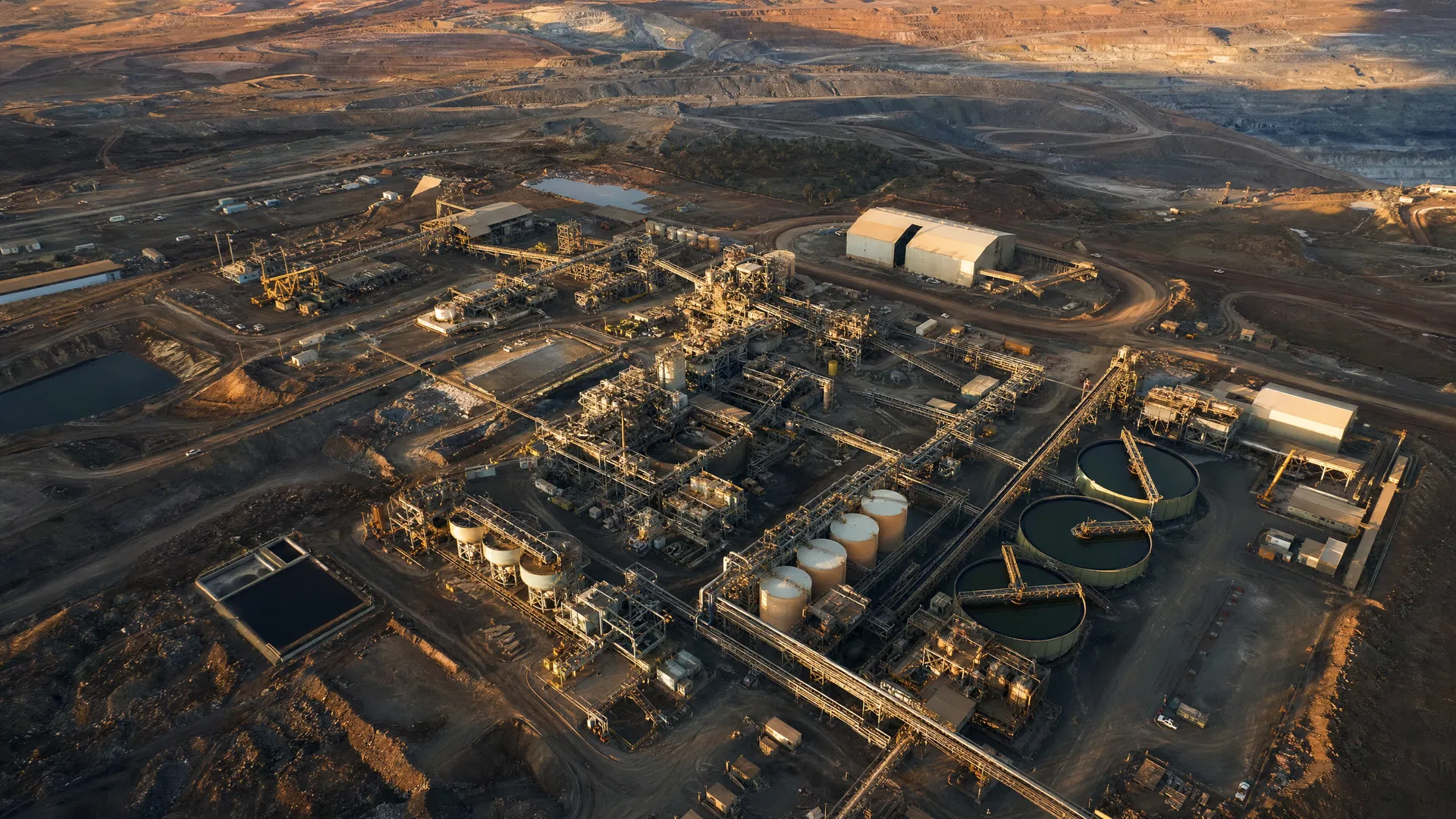
Works where
your mine works.
Satellite link dropping out? Remote site with no reliable connection to head office? Foundpoint is built edge-first. It stays usable when the link doesn't.
Nothing leaves your environment unless you choose it. On-premises, air-gapped, and sovereign deployments are fully supported. Your data is yours.
Runs on a single virtual machine for a small operation. Scales to a three-node cluster for a large multi-site group. No dedicated cloud-ops team required.
PostgreSQL at the core. Open standards throughout. Your team can read, query, and export the schema directly. We're infrastructure, not lock-in.
INITIAL CONNECTOR LIBRARY
GET IN TOUCH
Foundpoint is in active deployment dialogue with tier-one operators. We have capacity for a small number of additional design partners in the first deployment cycle.
We start with a 60-minute conversation — your operations and IT leads, our team. We learn the shape of your operation. You learn whether Foundpoint is built for the conditions you run in. No procurement theatre. No demo script.
Email FrancoisYOUR CONVERSATION